
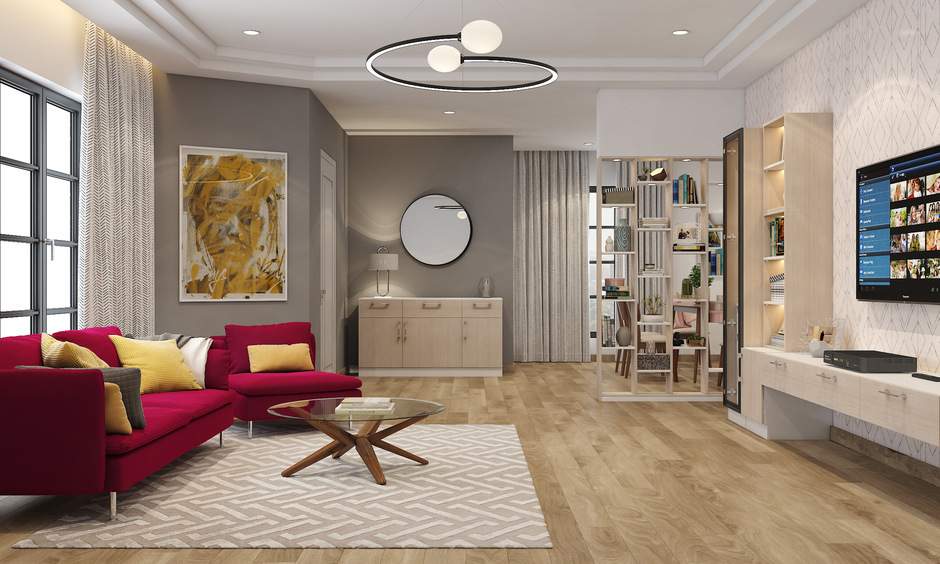
Parquetry introduces rhythm underfoot, and that visual cadence can change how a room feels. Repeating timber blocks bend light into soft shifts, which can reduce harsh glare and ease eye strain in bright spaces. Texture also matters for safety, because grip influences slip risk during quick turns. With thoughtful pattern choice, a floor can support calmer movement, steadier footing, and better comfort across daily routines.
Why Patterned Timber Feels Personal
Some households look up parquetry flooring in Melbourne after noticing that geometry affects mood and motion inside a home. A repeating layout can steady long walkways, define a dining zone, and give open areas clearer boundaries. Block size, grain contrast, and surface sheen all influence how the pattern reads, which helps a space feel grounded rather than visually noisy.
Herringbone: Quiet Movement
Herringbone sets offset rectangles into a gentle zigzag that looks lively without shouting. Narrow rooms often benefit, because the angled lines reduce the tunnel feel and suggest added width. Alternating faces catch daylight at different angles, creating a mild shimmer that stays controlled. Wider blocks look contemporary, while slimmer pieces feel traditional. Simple trim and restrained wall colour keep attention on the pattern.
Chevron: Crisp Direction
Chevron forms clean V shapes where ends meet with precision. That strong direction can guide foot traffic and make large rooms feel organised. Careful setting out is essential because small errors stand out quickly. Matte coating lowers glare and supports a restful look, while satin adds sharper definition. Aligning furniture lines with the ‘V’ direction can make the layout feel longer and more coherent.
Basketweave: Soft Geometry
Basketweave alternates paired blocks to suggest a woven surface. The pattern brings heritage character that can still sit well beside modern pieces. Visual breaks help big areas feel less flat, and square rooms can seem less box-like. Mid-tones usually show the weave clearly, since a very dark stain can hide the “over and under” effect. Entry zones suit basketweave because charm arrives without loud décor.
French Panels: Formal Character
French panel layouts use framed squares to create a structured grid. That order can balance high ceilings and calm, wide, open rooms. Homes with detailed trim often suit the symmetry, because the floor echoes the joinery. Natural oil highlights grain variation and keeps texture readable under changing light. A clear coat adds surface protection in busy areas while still preserving the panel outline.
Scale and Block Size
Pattern scale should match room size and sightlines. Large blocks can crowd small bedrooms, while tiny pieces may look fussy in a wide living area. A practical check is how many repeats fit across the shortest wall, since that view shapes first impressions. Wider elements can reduce visible seam density. Smaller blocks can disguise minor seasonal movement because joints distribute change more evenly.
Colour, Grain, and Finish
Species choice affects tone, pore texture, and contrast between pieces. Variation exists within one timber type, so samples viewed under the room’s lighting set realistic expectations. Pale oak can brighten shaded interiors, while warmer hues add visual warmth in cool-facing rooms. Matte finishes hide scuffs and footprints better than high gloss. Brushed texture can add grip and soften glare, supporting steadier steps for families.
Durability in Busy Areas
High-traffic zones face grit abrasion, chair drag, and frequent cleaning. Engineered parquetry often stays steadier where humidity shifts, while solid blocks can allow future sanding if the thickness permits. Felt pads reduce denting under furniture legs, and entry mats trap abrasive debris before it spreads. Block formats also help spot repair, since damaged units can be swapped without resurfacing the whole field.
Layout Planning That Prevents Regret
Planning starts with the first sightline from key doorways. Patterns feel intentional when lines track long walls and main views’ sightlines, rather than drifting off-angle. Room-to-room transitions also need attention, since a broken repeat can look accidental. Subfloor flatness matters for comfort and noise, because uneven bases can lead to gaps or squeaks. A clear installation plan should include expansion space, adhesive choice, and finishing order.
Conclusion
Parquetry adds character by combining craft and geometry in a surface that people touch with every step. The strongest result comes from matching motifs to proportions, then choosing tones and finishes that fit real living, pets, spills, and chair movement. Good preparation and alignment protect joints, reduce noise, and improve underfoot stability. With careful selection, patterned timber can bring calm structure to open zones and warmth to private rooms.