
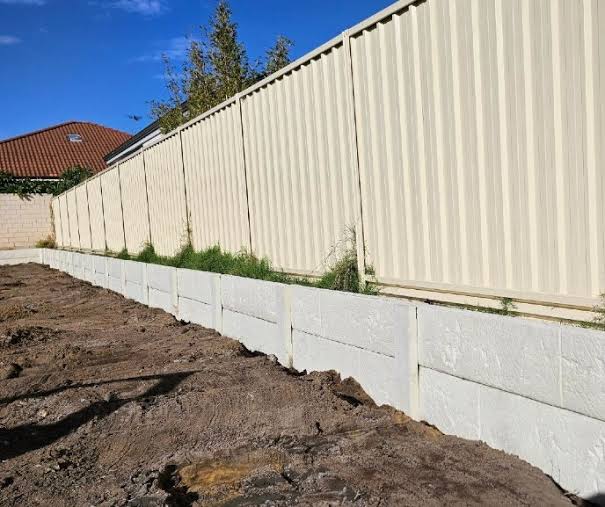
Retaining walls do more than hold soil against a slope. They help control runoff, protect paved areas, create usable garden levels, and improve movement around a property. On uneven blocks, careful ground support can prevent gradual soil loss from affecting paths, lawns, fences, or nearby structures. Material selection and drainage also influence service life. When planned for actual site conditions, a retaining wall provides practical stability while giving outdoor areas clearer form, safer access, and a greater everyday usefulness.
A Practical Starting Point
A sound wall begins with an assessment of soil, slope, height, drainage, and nearby loads. Property owners can speak with retaining wall builders in Melbourne before selecting materials or starting excavation. Experienced advice helps identify ground pressure, access limitations, footing needs, and local requirements. That early review can prevent unsuitable construction methods, water buildup, uneven settlement, and repairs that become more difficult after landscaping or paving is complete.
Better Use of Sloping Land
Slopes often leave sections of a block difficult to plant, cross, or furnish. A retaining wall divides that incline into manageable levels, allowing space for lawns, garden beds, seating, storage, or a walkway. Several modest terraces may suit a property better than one tall barrier. This arrangement can reduce extensive excavation while giving owners more control over how outdoor areas are used.
Protection Against Erosion
Rainwater can carry exposed soil downhill, particularly after vegetation is removed or heavy storms pass through. A retaining structure interrupts that flow and supports earth at defined elevations. Drainage material behind the wall allows moisture to escape instead of forcing against the surface. Limiting soil movement helps protect lower gardens, paving, driveways, and boundary areas from gradual displacement or sediment buildup.
Added Structural Support
Raised soil can exert pressure on nearby paving, fences, sheds, and foundations. A properly supported wall separates that load from vulnerable features and transfers weight into stable ground. Footing depth, reinforcement, wall height, and soil composition all affect performance. Properties beside driveways or buildings require particular care because vehicles, structures, and stored materials can increase pressure behind the barrier.
Improved Drainage Control
Water management is central to retaining wall performance. Perforated pipes, drainage gravel, filter fabric, and outlet points can move groundwater away from the structure. Surface channels may redirect rainfall before it reaches the retained soil. Without these measures, saturated earth becomes heavier and pressure increases. Persistent moisture may also contribute to staining, joint movement, settlement, or damage to adjacent surfaces.
Stronger Visual Appeal
A retaining wall can bring order to a garden without making the setting feel harsh. Stone, masonry, concrete sleepers, and treated timber each offer distinct colours, textures, and maintenance demands. The chosen finish should relate to the home, fencing, planting, and paving. Carefully placed vegetation can soften edges, although roots must remain clear of drainage lines and critical support areas.
Materials That Suit the Site
Material choice should follow structural demands rather than appearance alone. Timber sleepers may work well for smaller garden terraces, while reinforced concrete or masonry can suit taller walls and heavier loads. Natural stone provides a textured finish but often requires skilled placement. Access, soil type, wall height, weather exposure, and future landscaping should all be considered before construction begins.
Maintenance and Service Life
Routine inspections can reveal early signs of movement. Owners should look for leaning sections, open joints, blocked outlets, soil cracks, or water collecting behind the wall. Aggressive roots can disturb drainage components and weaken nearby ground. Keeping outlets clear supports consistent water release after rainfall. Prompt attention to small defects may prevent broader damage to the wall, garden, paving, or structures below.
Value Beyond Appearance
A property gains practical value when outdoor areas are safe, usable, and easier to maintain. Retaining walls can create level lawns, defined planting zones, stable paths, and better access across a sloping block. These improvements support daily enjoyment while reducing visible soil movement. Prospective buyers may also recognise controlled drainage, organised landscaping, and sound ground support as signs of responsible upkeep.
Planning for Long-Term Results
A useful plan records wall height, length, materials, drainage, access, boundaries, and nearby structures. Local rules may apply to particular heights, locations, or construction methods. Early checks can prevent delays and costly alterations. Future fences, garden beds, irrigation, paving, and water flow deserve consideration before excavation begins. Strong preparation helps the finished structure serve current needs without limiting later improvements.
Conclusion
Retaining walls can strengthen a property’s function, appearance, and long-term condition. They reduce soil movement, guide water, protect nearby features, and create useful levels across sloping ground. Their performance depends on accurate assessment, suitable materials, stable footings, and reliable drainage. Regular inspections also help preserve that investment. With careful construction, a retaining wall becomes part of the property’s underlying support system, helping outdoor spaces remain safer, cleaner, and more practical for years ahead.