
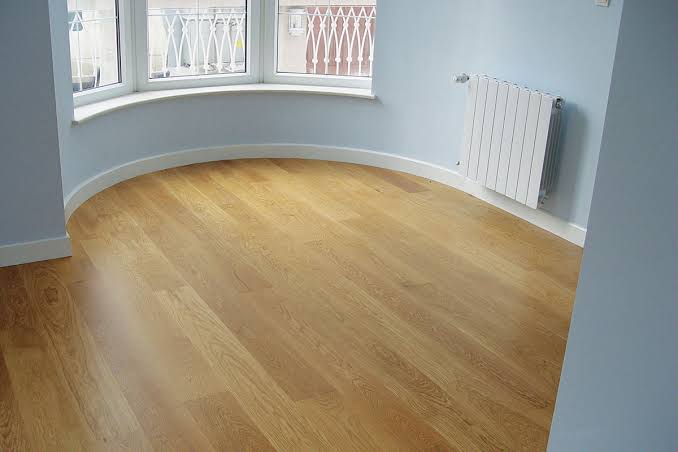
Oak flooring brings warmth, texture, and lasting appeal to Australian interiors, but the right choice depends on more than colour. Species, board construction, grade, surface treatment, and installation details affect the floor’s appearance and performance. A clear comparison helps homeowners select boards that suit room use, natural light, furniture, and maintenance expectations. The following guide explains the main decisions before comparing samples and confirming specifications with a flooring professional.
Start With Species And Construction
European oak is a popular choice because its grain remains visible beneath many stains and surface treatments. It suits both traditional homes and contemporary interiors, while natural variations give each board a distinct appearance.
For many renovation projects, oak floorboards provide a practical balance between timber character and dimensional stability. Engineered boards use a natural oak top layer over a multilayer base, which helps the flooring manage changes in indoor conditions. The construction also uses timber efficiently, while the visible surface retains the appearance of solid oak.
Board dimensions affect the visual scale of a room. Wider planks create fewer joins and give open spaces a calmer appearance. The supplied range includes 190 mm and 220 mm widths, with 15 mm and 21 mm thicknesses available on selected boards. Lengths include 1900 mm and 2200 mm options.
Read The Grade Before Choosing A Look
A timber grade describes the amount and appearance of natural features within the boards. Knots, colour variation, grain movement, and filled areas influence how a floor looks, whether refined, rustic, or highly varied.
The listed oak range uses ABCD grade across most options. Kona Brown is listed with a mix of ABC and ABCD grades. These classifications should be viewed beside physical samples because grading affects visual consistency across a large floor area.
A room with simple cabinetry and plain walls can accommodate more grain movement. Rooms with patterned furnishings may suit a calmer selection, where the floor provides texture without dominating the space. No grade is universally best; the right choice depends on the intended interior style.
Compare Finish Types Carefully
A finish changes colour, texture, sheen, and routine care. Wire brushing exposes the grain and adds tactile definition, while hand scraping creates a more marked surface with visible tool variation.
Natural matte UV aluminium oxide appears across many pre-finished options, including Pearl White, White Smoked, Helsinki, Crystal, and Sandy Oak. This coating creates a low-sheen appearance and gives the surface a finished layer before installation.
Natural oil appears on Galaxy Oak and Smokey Grey. Oil keeps the timber’s surface appearance close to the material itself, although maintenance requirements should be confirmed before purchase. Water-based lacquer appears on Urban Natural, while hard wax oil finishes appear on Berlin and Cambridge.
Colour also affects how a room reads. Pale Grey and White Wash 2 create a lighter visual effect, while Kona Brown introduces deeper warmth. Natural and Urban Natural retain a more familiar timber appearance.
Check The Installation Details
The joining system affects installation planning and future board replacement. Most listed products use a tongue-and-groove system, while Prague uses a 5G click system. Natural uses a T&G locking system.
Subfloor preparation remains essential. The installer should confirm moisture levels, flatness, expansion requirements, and the correct adhesive or fixing method for the selected board. These checks protect the finished floor from movement, gaps, or uneven transitions.
Room conditions also matter. Timber flooring should acclimatise according to the manufacturer’s instructions before installation. Skirting, door clearances, heating systems, and transitions between flooring types should be measured before boards arrive.
Match The Board To Daily Use
Busy households need a finish that suits expected traffic and cleaning routines. A low-sheen surface hides small marks more effectively than a highly reflective finish, while textured boards make natural variation more visible.
Large living areas often suit 220 mm boards because the wider format reduces visual interruption. Smaller rooms may benefit from 190 mm boards, particularly where narrow proportions or detailed joinery already create visual activity.
Maintenance should match the finish rather than relying on a general timber-floor routine. Use the approved cleaning products, remove spills promptly, protect the surface beneath furniture, and place suitable mats at exterior entries. Furniture pads also reduce scratching during regular movement.
Conclusion
Choosing oak flooring becomes simpler when each decision follows the room’s requirements. Start with European oak and engineered construction, then compare grade, width, thickness, finish, and joining system against the project conditions. Request physical samples, as colour and grain can vary under different lighting. Before ordering, confirm the exact board specification, installation method, maintenance instructions, and required quantity. That process gives the installer a clear brief and reduces costly changes after delivery.